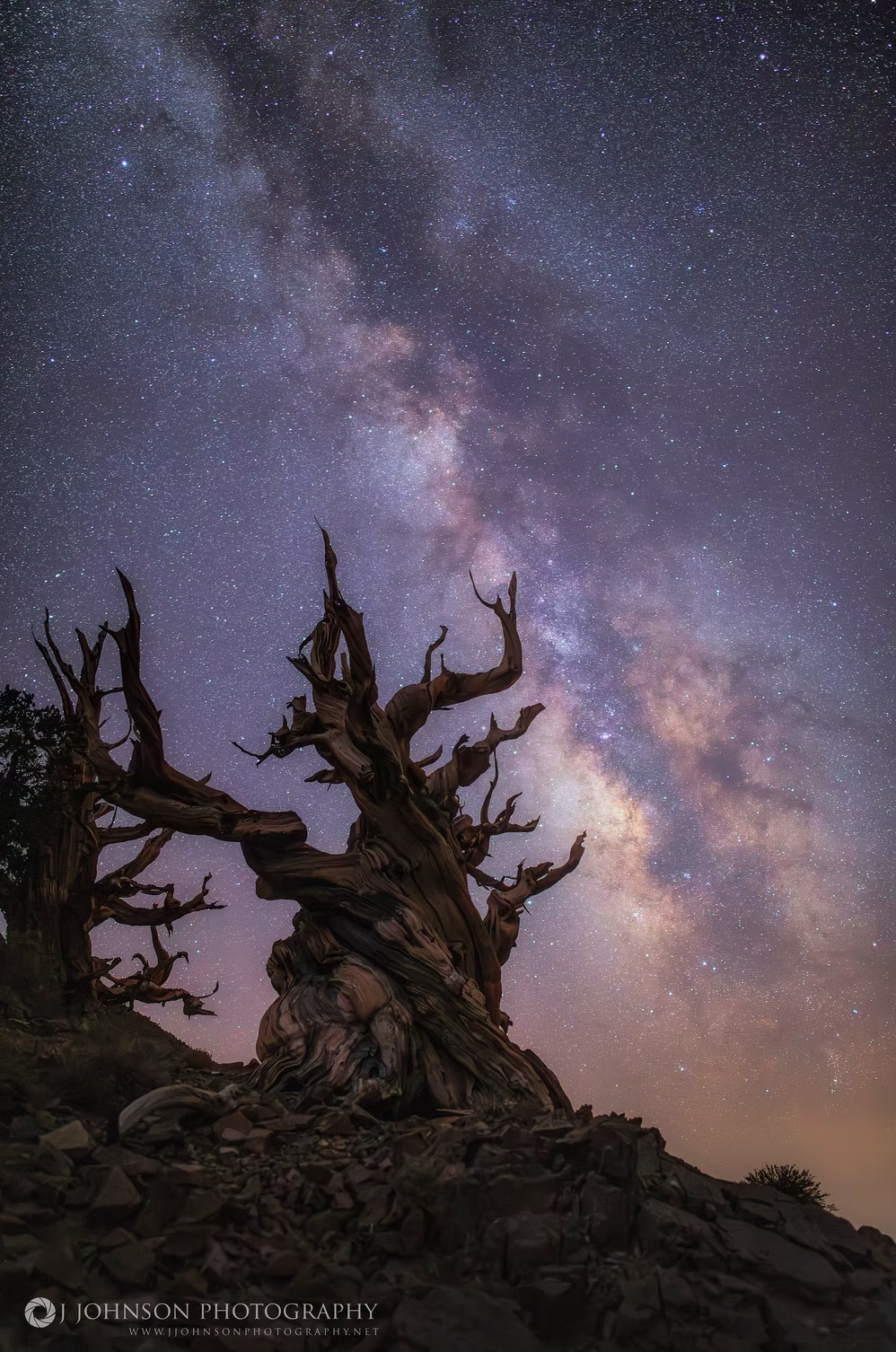
Light pollution has quietly stolen one of humanity’s oldest experiences. More than a third of the world’s population can no longer see the Milky Way from where they live — and for those of us in cities, the figure is closer to 80%. Getting to a genuinely dark sky is now an act of deliberate travel planning. Here’s how to do it well.
What “Dark Sky” Actually Means for Travelers
The International Dark-Sky Association (IDA) certifies parks, reserves, and communities that meet strict standards for low light pollution. A Gold Tier rating — the highest — means skies dark enough to see the Milky Way as a three-dimensional structure, not just a smudge. Before booking, look for IDA-certified destinations: they’re your guarantee that the trip is worth making.
Crater Lake, Oregon — America’s Best Dark Sky
Crater Lake National Park holds a Gold Tier IDA designation and some of the darkest skies in the continental United States. The lake itself — formed in a collapsed volcano caldera, filled entirely by snowmelt — reflects the Milky Way on still nights with extraordinary clarity. The best viewing windows are July through September, when the rim road is fully open. The town of Klamath Falls (60 miles south) is your nearest base for accommodation; book well ahead for summer weekends.
The Colorado Plateau — Arches, Canyonlands, Bryce Canyon
The canyon country of southern Utah is the highest concentration of dark-sky certified parks in the world. Arches, Canyonlands, Capitol Reef, and Bryce Canyon all sit within a few hours of each other, all with IDA certification. Moab is the practical hub — a good base for Arches and Canyonlands, with Cedar City or Panguitch better positioned for Bryce. Bryce’s natural rock amphitheaters act like bowls of darkness, making the experience especially immersive.
Iceland — Aurora Country
Iceland combines minimal light pollution outside Reykjavik with the added spectacle of the Northern Lights from September through March. Aurora activity peaks around the equinoxes. The practical move: stay outside the capital in a rural guesthouse or farm stay — the Snæfellsnes Peninsula, the south coast near Vík, or the Westfjords all offer good dark skies and accessible accommodation. Download the Icelandic Met Office aurora forecast app and plan to be outside between 10pm and 2am on clear nights.
When to Go and What to Bring
New moon periods give you the darkest skies — plan your trip around the lunar calendar. Allow 20–30 minutes for your eyes to fully adapt to the dark. A red-light headlamp preserves night vision; a white flashlight destroys it instantly. For photography, a wide-angle lens (f/2.8 or faster), a sturdy tripod, and a shutter remote are all you need. But go with your eyes first. No photograph quite captures the experience of standing under a sky you’ve never actually seen before.


Leave a Reply