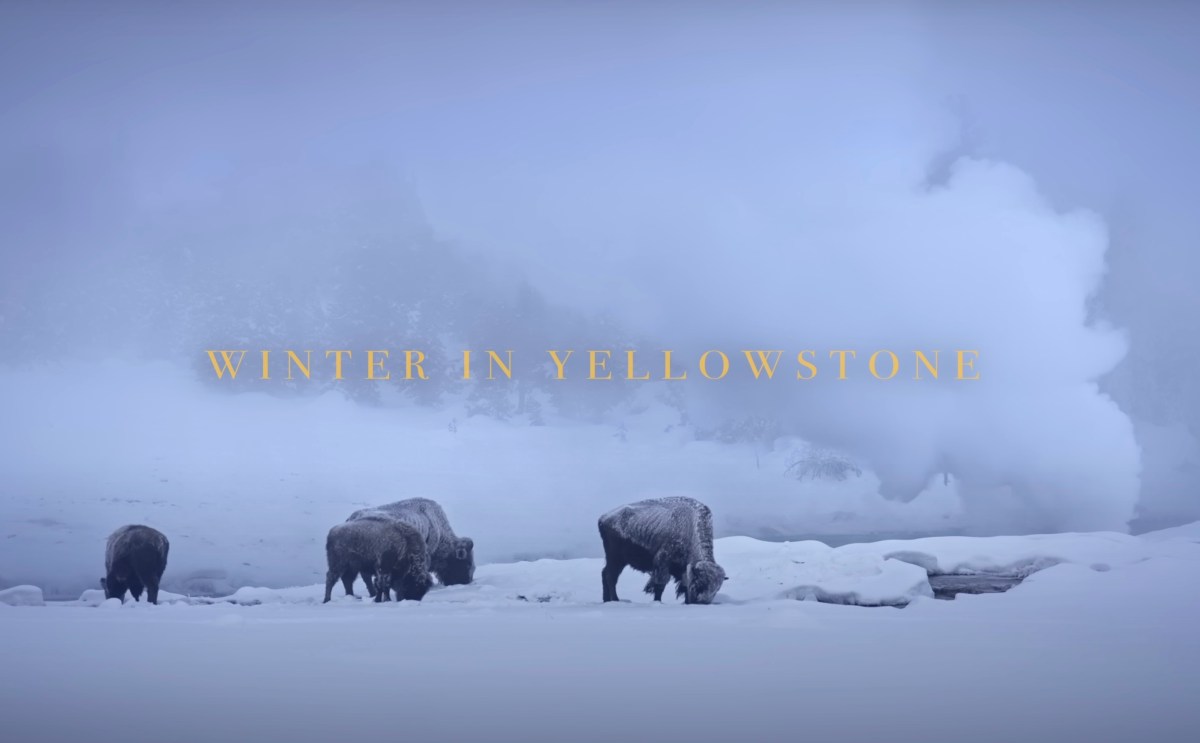
More than four million people visit Yellowstone each year — nearly all of them between June and September. The other six months? The park belongs to around 150,000 visitors total. If you’ve seen Yellowstone in summer and thought it was magnificent, winter will show you something else entirely: a landscape of geothermal steam and extreme cold that produces scenes no summer visitor ever sees. Here’s everything you need to plan it.
When to Go
The main roads in Yellowstone close to private vehicles from early November through late April. The sweet spot for winter visits is mid-December through February — cold enough for dramatic hoarfrost formations and frozen geothermal steam, but with enough daylight to make the most of each day. January typically brings the most extreme temperatures (regularly dropping below -30°F/-34°C), which produces the most spectacular ice fog and frost effects. March offers slightly milder conditions and is excellent for wolf watching as packs become more active.
How to Get In: Snowcoach vs. Snowmobile
Because private vehicles can’t access most of the park in winter, you’ll need either a guided snowmobile tour or a snowcoach — a purpose-built tracked vehicle that carries groups of 10–12 people in heated comfort. Snowcoaches are the better choice for first-time winter visitors: warmer, more relaxed, and you can watch the landscape instead of concentrating on driving. Xanterra Parks & Resorts and several independent operators in West Yellowstone and Gardiner run regular departures. Book at least six to eight weeks ahead for peak winter dates — they sell out.
Where to Stay
The only accommodation inside the park in winter is the Old Faithful Snow Lodge, which stays open through mid-March. It’s basic but perfectly situated — you can walk to Old Faithful’s eruptions in minutes. Rates run around $200–$300 per night. Gateway towns offer more options: West Yellowstone (Montana) and Gardiner (Montana) both have a solid range of motels and lodges within a few minutes of the park entrance. Jackson Hole is further (about 90 minutes from Old Faithful) but offers the widest range of accommodation and easy access to the park’s southern entrances.
What You’ll Actually See
In extreme cold, Yellowstone’s geothermal features transform completely. Old Faithful’s eruptions produce towering plumes of steam that crystallise in the air and fall back as snow. The Grand Prismatic Spring glows with intensified colour against white snowfields. Nearby trees become coated in hoarfrost — elaborate ice formations that turn the forest into something from a different planet. For wildlife: bison moving through deep snow with their characteristic slow confidence, elk gathered in valley bottoms, and wolves — most visible and most active in winter — hunting in the Lamar Valley. The Lamar Valley in January is widely considered the best wolf-watching location in North America.
What to Pack
Dress for -20°F/-29°C as a minimum. Merino wool base layers, a high-quality down mid-layer, and a windproof outer shell. Hand warmers in abundance — camera batteries and cold do not get along, so keep spares in an inside pocket. Waterproof boots rated to at least -40°F are worth the investment. And bring more lens cloths than you think you’ll need: the constant movement between cold exterior air and warm snowcoaches creates condensation on everything.


Leave a Reply