Tanzania is one of Africa’s most extraordinary destinations — a land where the ancient rhythms of wildlife migration still play out across vast, untouched savanna, and where the continent’s highest peak rises above the clouds in timeless silence. Whether you’re drawn by the thrill of the Great Migration, the lunar landscapes of the crater highlands, or the spice-scented shores of Zanzibar, Tanzania delivers experiences that stay with you long after you’ve returned home.

Ngorongoro Crater
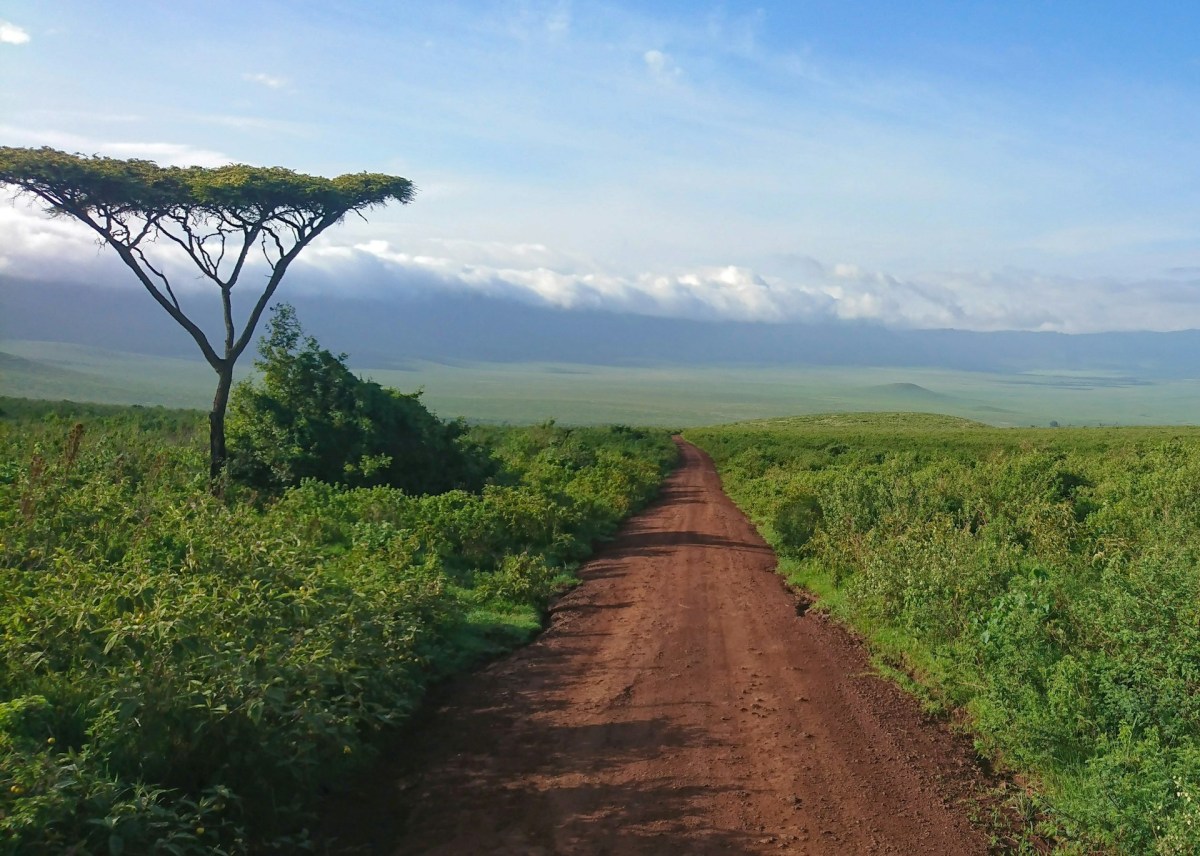
Formed from the collapse of a massive volcano millions of years ago, the Ngorongoro Crater is one of the world’s most extraordinary natural amphitheatres. Its walls rise nearly 600 metres above the crater floor, creating a self-contained ecosystem that shelters an astonishing density of wildlife — lions, elephants, hippos, flamingos, and the rare black rhinoceros all share this ancient stage. The scale of it, seen from the rim at dawn with mist still clinging to the acacia woodland below, is simply breathtaking.

Mount Kilimanjaro
Africa’s highest peak stands alone on the horizon, its snow-capped summit an almost impossible sight given its proximity to the equator. Kilimanjaro draws thousands of trekkers each year, but you don’t need to summit to feel its magnetic pull. Spotting it from Amboseli across the Kenyan border, or watching a giraffe graze in its shadow from the Tanzanian side, is one of those images that simply doesn’t leave you.

The Serengeti
No single word captures the Serengeti better than “endless.” The name itself comes from the Maasai word meaning “endless plains,” and standing on its flat, golden grasslands stretching to every horizon, you begin to understand why. This is the stage for the Great Migration — more than two million wildebeest, zebra, and gazelle moving in a perpetual cycle of birth, movement, and survival. Witness the dramatic river crossings at the Mara River and you’ll have seen one of nature’s most raw and extraordinary spectacles.

Zanzibar
After days of dust and savanna, Zanzibar offers the perfect counterpoint. The island’s Stone Town is a UNESCO World Heritage Site, its labyrinthine alleys revealing centuries of Swahili, Arab, Persian, and colonial history at every turn. Beyond the old city, the beaches stretch in both directions — powder-white sand lapped by warm turquoise water, backed by swaying palms. The island’s famous spice farms, where cloves, vanilla, cinnamon and pepper grow in abundance, give the air itself a quality you won’t find anywhere else.

Planning Your Trip
Tanzania rewards those who take the time to plan thoughtfully. The dry season from June to October offers the best wildlife viewing and the famous river crossings of the Great Migration. The short rains of November and December bring fewer tourists and lush, green landscapes. Combine a northern circuit safari with a few days on Zanzibar and you’ll have experienced one of the most complete and contrasting travel itineraries anywhere in the world.


Leave a Reply