The best time to visit Japan depends on what you’re chasing. Cherry blossoms peak from late March to mid-April; fall colors run mid-October through November; winter brings world-class skiing and near-empty temples; and summer means festival season despite the heat. Every season has a genuine case — this guide breaks down exactly what each one offers so you can choose based on your priorities rather than guesswork.
Japan is one of those destinations where every season makes a genuine argument for itself. Spring brings cherry blossoms that have inspired poetry for a thousand years; summer offers matsuri and mountain hiking; autumn turns the maple forests into something pyrotechnic; winter offers both powder skiing and contemplative silence in snow-covered temples. Choosing when to go is less about avoiding bad weather than about deciding which version of Japan you want to meet.
✈ Trip at a Glance
Where
Japan, from Tokyo and Kyoto to Hokkaido and the Japanese Alps
Best time
Late March to mid April for blossoms, November for fall color
Getting there
Fly into Tokyo or Osaka, then travel by Shinkansen
Pace
One to three weeks, matching a 7, 14 or 21 day JR Pass
Budget
$$ Moderate
Worth it if
You want to pick a season for blossoms, festivals, foliage or snow
Spring (Late March–Early May): Cherry Blossom Season
Sakura season is Japan’s most celebrated and most crowded window. The blossoms advance from south to north — Kyushu in late March, Tokyo in early April, Tohoku and Hokkaido in late April to early May — giving you some flexibility in timing. The best viewing isn’t necessarily in the most famous parks: Maruyama Park in Kyoto, Shinjuku Gyoen in Tokyo, and the canal at Hirosaki Castle (in Aomori prefecture) offer classic hanami (blossom-viewing) experiences with manageable crowds if you arrive on weekday mornings. Book flights and accommodation three to four months in advance; hotels in Kyoto and Tokyo double in price during peak bloom.
Summer (June–August): Festivals, Heat, and Mountain Escape
June brings the tsuyu rainy season to Honshu — humid and grey, but not a bad time to visit Kyoto’s bamboo groves and moss gardens, which look their best in the wet. July and August are festival months: the Gion Matsuri in Kyoto (the entire month of July), the Awa Odori in Tokushima, the Nebuta Matsuri in Aomori — the country’s festival calendar is extraordinary and underappreciated by foreign visitors. The heat in the cities is intense (35°C/95°F with high humidity); escape to the Japan Alps, the Noto Peninsula, or Hokkaido, which stays cool and green all summer. Obon in mid-August brings an exodus from cities to family homes in the countryside — train tickets sell out fast.
Autumn (September–November): Foliage Season
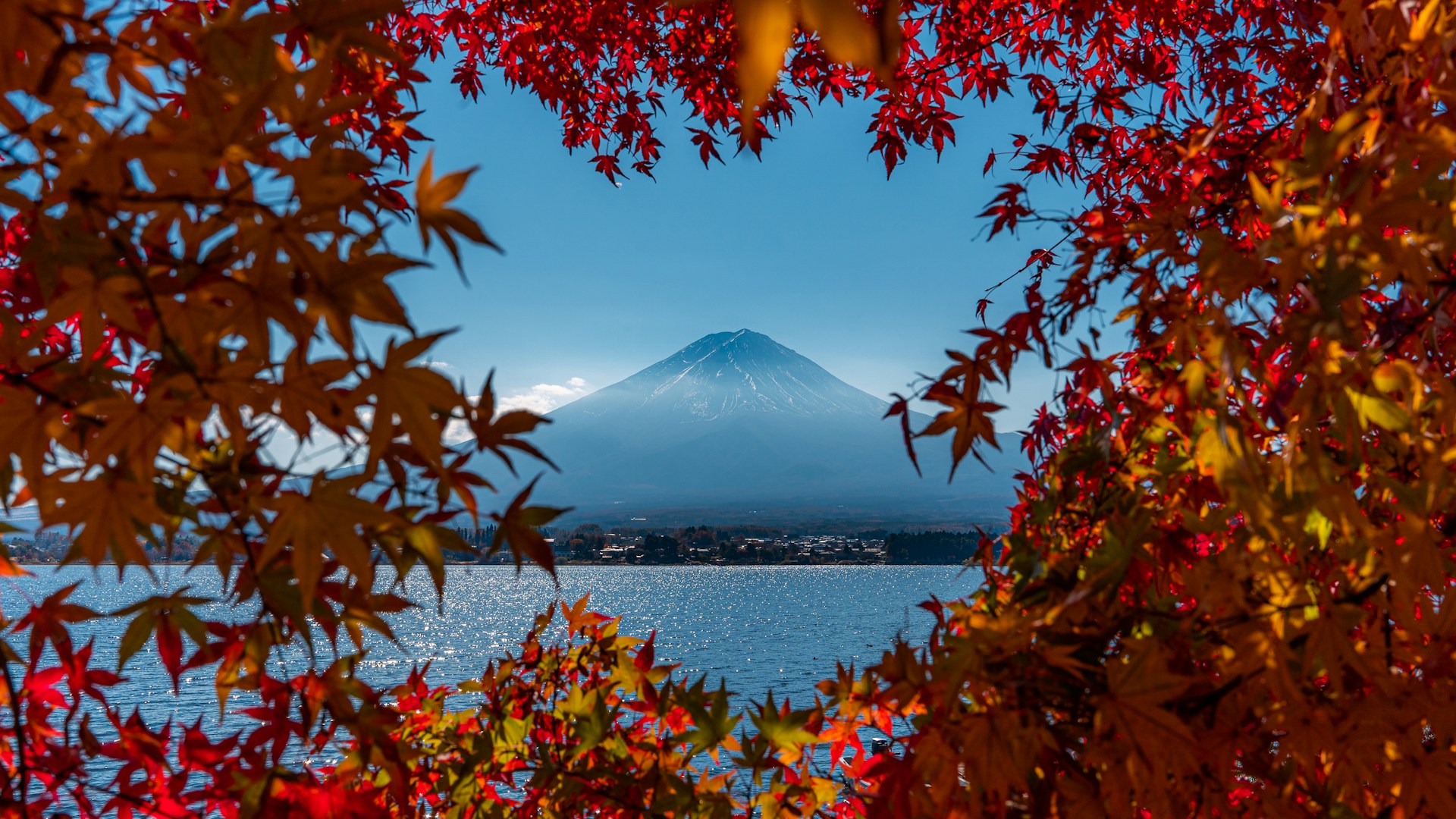
Koyo — the turning of the leaves — rivals sakura season for beauty and comes close to matching it for crowds. The colors move from north to south: Hokkaido turns red and gold in September, Tokyo and Kyoto peak in November. Nikko, in the mountains north of Tokyo, is one of the most spectacular autumn destinations in Japan: the shrines and mausoleums of the Tosho-gu complex surrounded by blazing maples. Kyoto in November — Tofuku-ji temple’s maple garden, Arashiyama’s hillside paths, the vermillion corridors of Fushimi Inari at dawn — is the Japan that appears on every calendar. It’s crowded. It’s worth it.
Winter (December–February): Snow, Onsen, and Empty Temples
Winter is Japan’s secret season. The crowds that mass in spring and autumn largely disappear, accommodation prices drop significantly, and the country reveals a different kind of beauty. Kyoto’s Kinkaku-ji (the Golden Pavilion) and Nijo Castle dusted with snow are among the most striking sights in Japanese travel. The Japanese Alps — Nagano, Hakuba, Nozawa Onsen — receive some of the deepest powder in the world from Siberian storms crossing the Sea of Japan; the skiing is world-class and the resort towns charming. Combining ski days with evenings in a traditional ryokan, soaking in outdoor onsen while snow falls, is one of those experiences that defies adequate description.
Getting Around: The JR Pass Question
The Japan Rail Pass — available in 7, 14, and 21-day versions — covers the Shinkansen (bullet train) network and most JR lines. The 14-day pass runs around $430 and pays for itself if you’re covering significant ground (Tokyo–Kyoto alone is $130 each way). Purchase before you arrive in Japan; the pass must be bought outside the country. For travel within cities, IC cards (Suica or Pasmo) work on almost every subway, bus, and train system — load them up and tap in and out. Japan’s transit system is the most reliable in the world; the trains don’t run late.
Where to Book
For ryokan (traditional inns), Jalan and Ikyu are the Japanese booking platforms that list properties not available on international sites. For hostels and hotels, Booking.com and direct hotel websites work fine. Reservations for specific restaurant experiences (omakase sushi counters, kaiseki meals) should be made weeks or months ahead via Tableall or through your hotel concierge. The one thing Japan rewards more than any other destination is advance planning — not because things are difficult, but because the best experiences fill up fast.
The honest answer to “when should I go to Japan?” is: it depends on what you’re chasing. But the more honest answer is: go now, and go back in another season. Japan is one of the few countries that genuinely justifies multiple visits, each one revealing something the last didn’t show you.

Leave a Reply